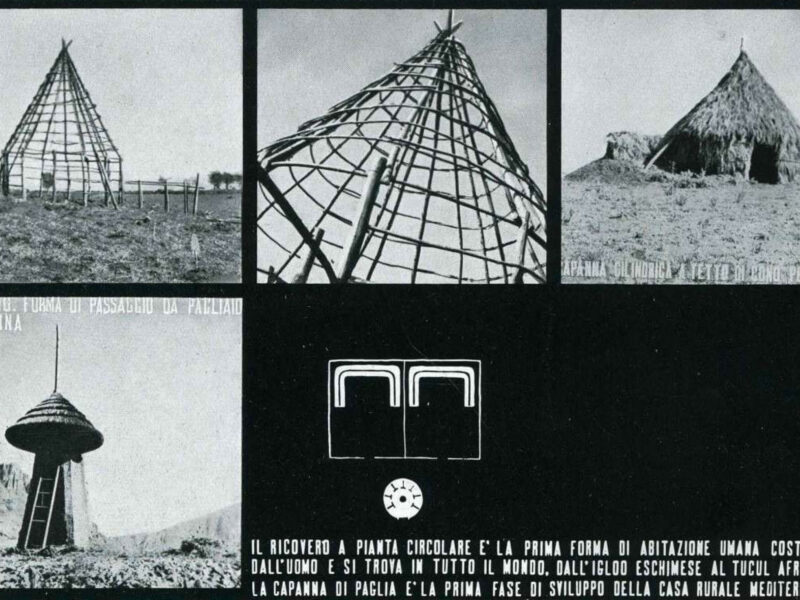
Giuseppe Pagano was a central figure in Italian architecture of the first part of the 20th century. Along with his practice as a rationalist architect … [Read more...]
Housing the Multitude
Since the beginning of human history the need for a house has implied latent meanings, from the bare “looking for a shelter” to the fulfillment of complex spiritual and social needs. Historically, a number of inhabiting solutions were imagined for the coexistence of individuals and families in collective dwellings, in order to provide an improvement in resource sharing, built terrain and infrastructural optimization and waste limitation.
Completely dissimilar visions of communal life and conditions of social stratification lay behind this group of projects, but all of them share the search for a density which doesn’t restrict the private sphere yet allows, in different degrees, room for shared activities destined to enhance the life of the community.
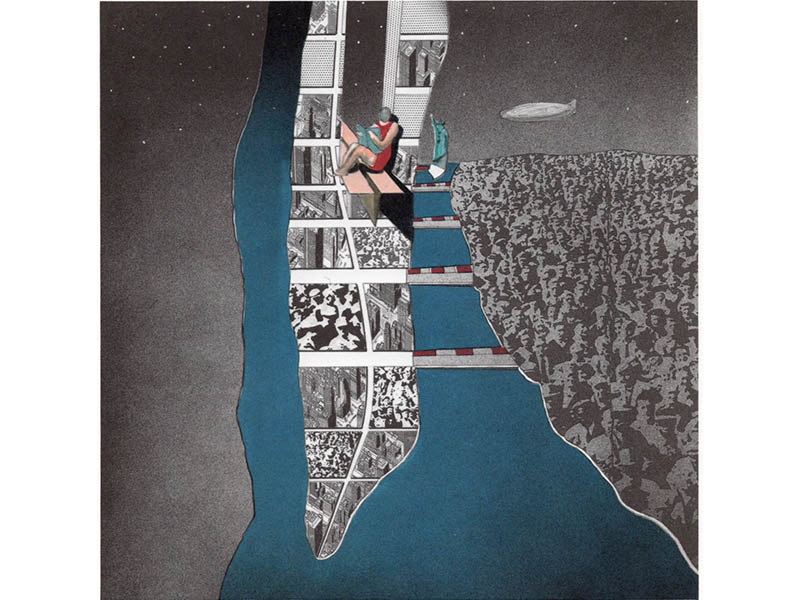
Architectural Narrative: “New York City: The Edge of Enigma” by Francisco Javier Rencoret (1991)
In 1991, Francisco Javier Rencoret, a Chilean architect and then Fulbright scholar at Cornell University, published New York City: The Edge of Enigma, … [Read more...]
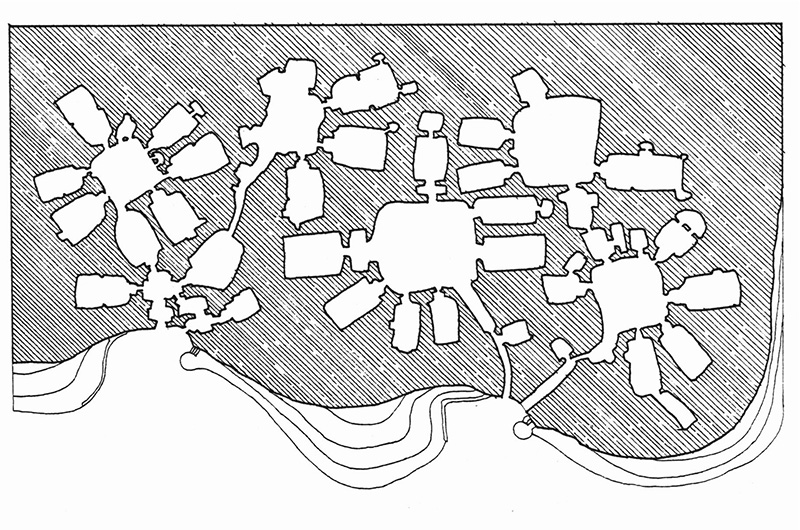
Matmata: Underground Dwellings for an Extreme Climate
The ancient Berber village of Matmata in South Tunisia, located between the Eastern coast and the desert, is characterised by settlements of dwellings … [Read more...]
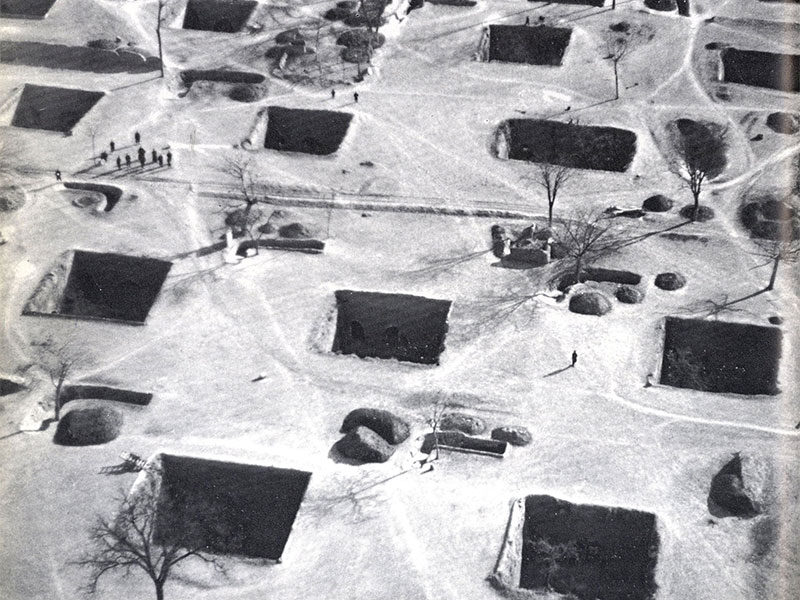
Living Inside the Earth: the Yaodong, cave buildings in China
The Yaodong (窑洞) is a type of architecture developed in the Loess Plateau in the north of China. The name literally means “cave building” and … [Read more...]
- 1
- 2
- 3
- …
- 7
- Next Page »
